
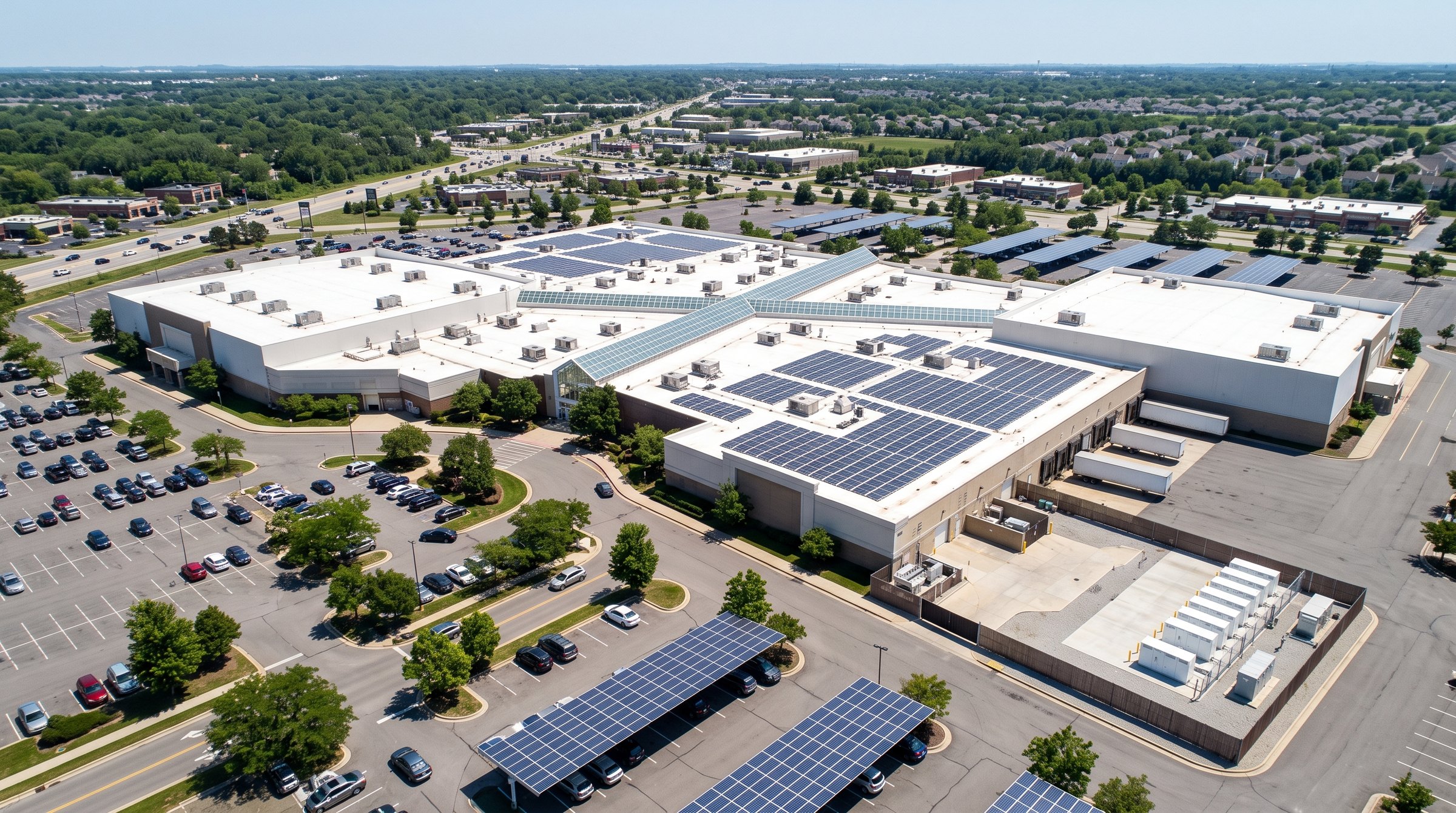
Retail · Malls
Long hours of energy use with heavy cooling. Solar cuts the daytime costs; storage trims the monthly peak; fuel cells carry the steady demand.
What decides itPeak demand charges, and how leases split the energy bill.
Each type of building uses power differently, so the best mix of energy sources changes too. These are typical results. Your Scorecard decides for each of your buildings.
Long hours of energy use with heavy cooling. Solar cuts the daytime costs; storage trims the monthly peak; fuel cells carry the steady demand.
The usual best fit for each, and the one thing that most often changes the answer.
Long hours of energy use with heavy cooling. Solar cuts the daytime costs; storage trims the monthly peak; fuel cells carry the steady demand.
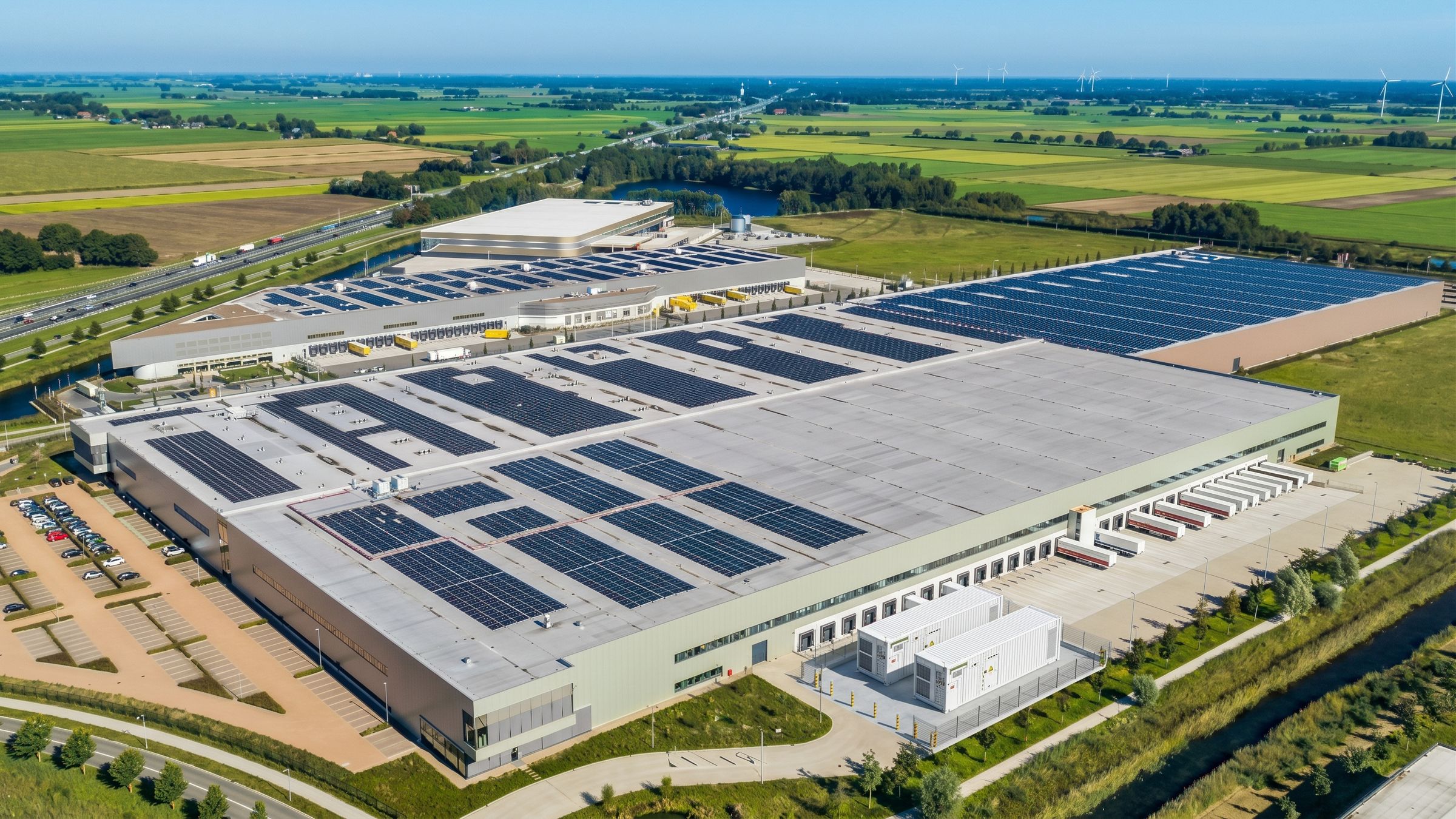
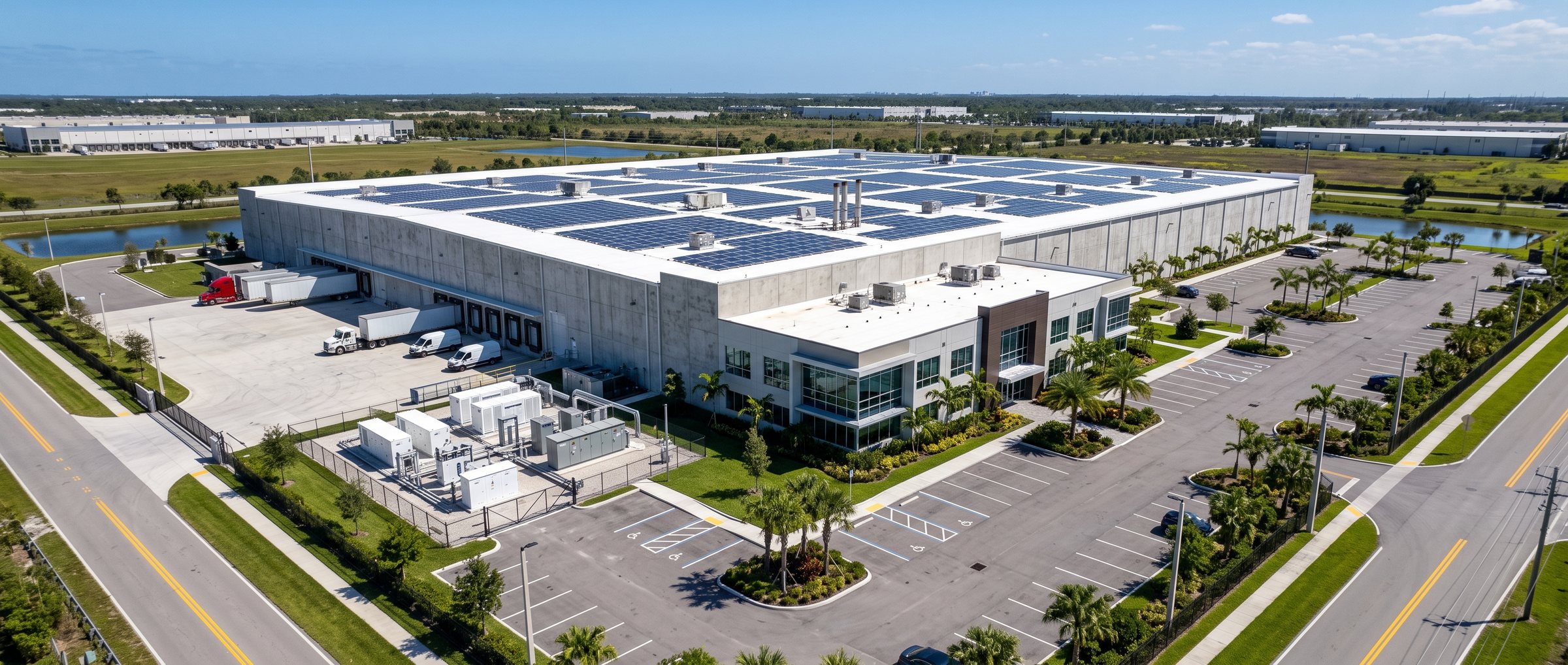
Warehouses and distribution centers: huge flat roofs and steady daytime use. Solar covers most of the energy charges; a battery trims the monthly peak.
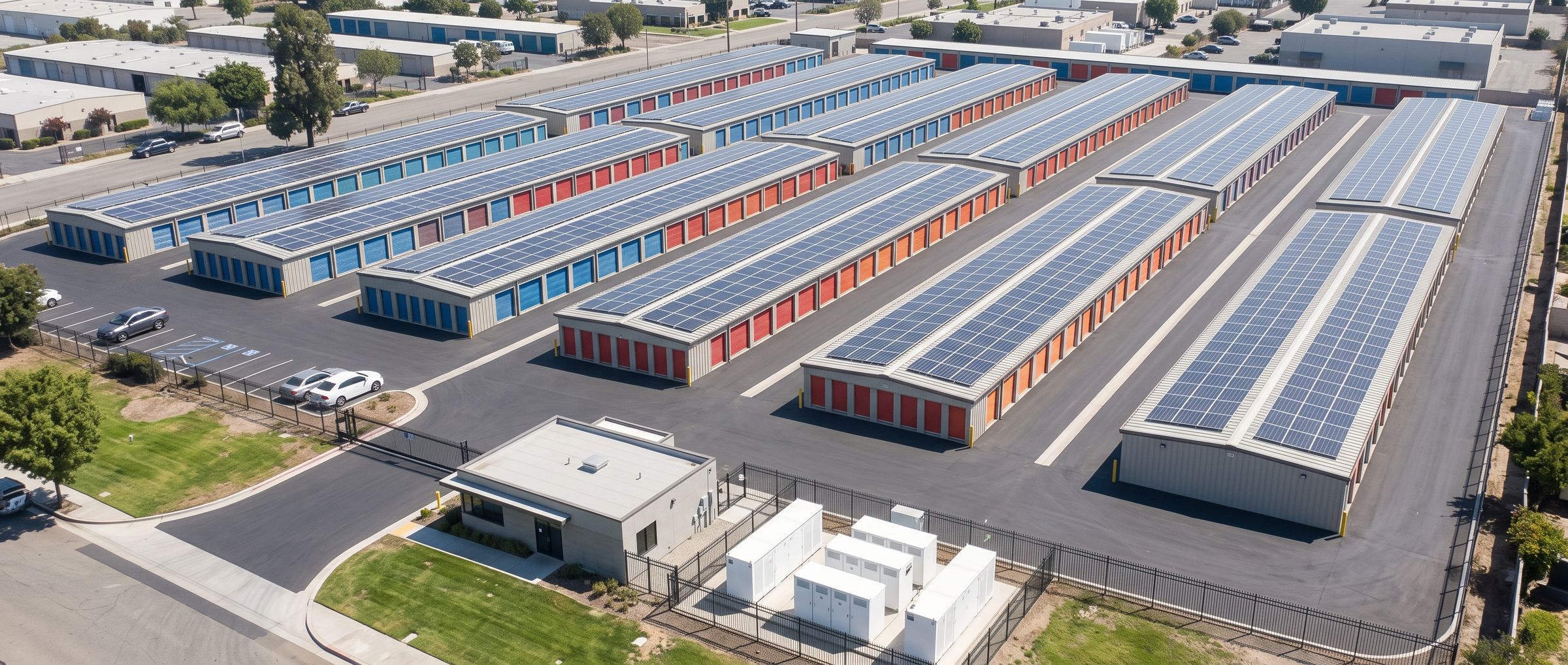
Big flat roofs and light, steady electricity use. Solar can cover most of the bill, and a battery trims the monthly peak.
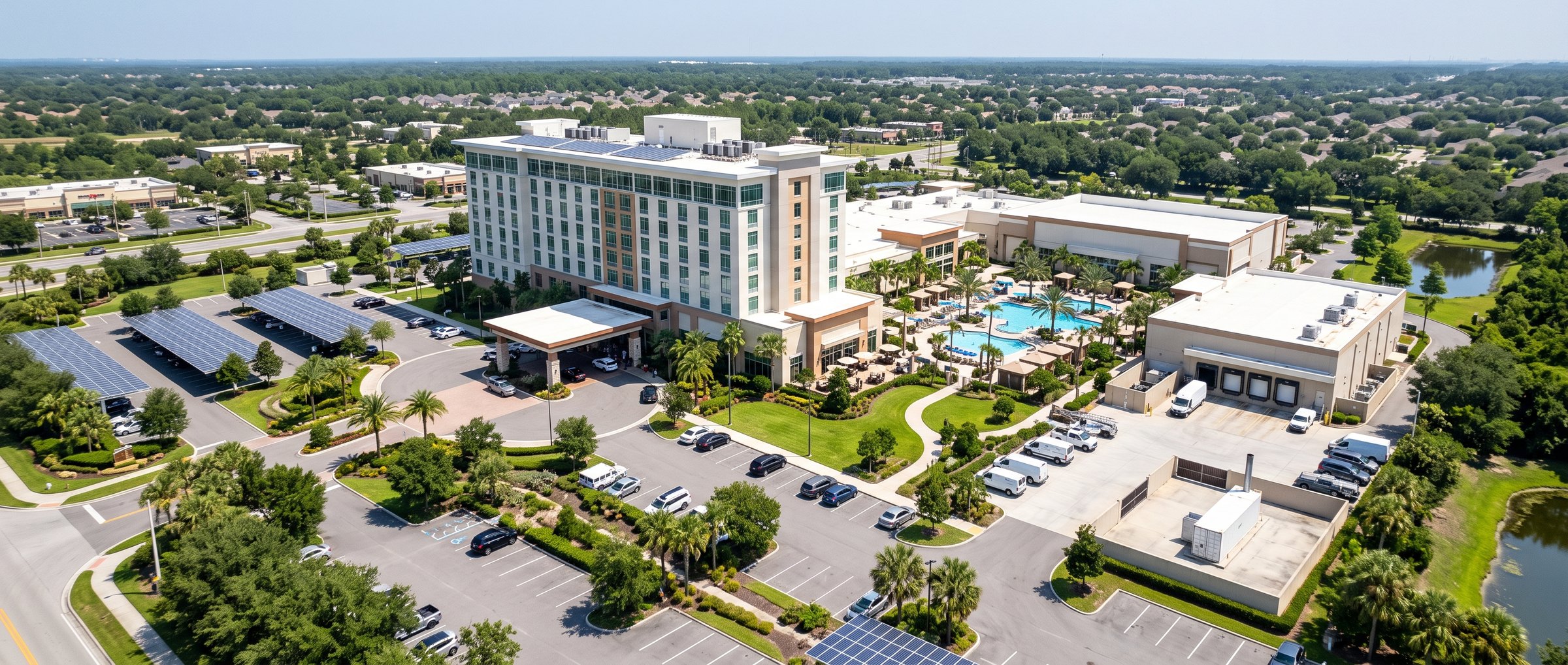
Hotels and resorts use cooling, hot water and laundry day and night. Solar on roofs and carports takes the daytime load; CHP covers the steady heat.

Runs around the clock and can never lose power. Solar on the garage and roofs cuts daytime costs; fuel cells and CHP supply steady power, heat and hot water on site.
Heavy power use through the day and often around the clock. Solar takes the daytime energy charges; fuel cells carry the steady load and keep lines running in an outage.
One building or all of them, in one state or many.
Request a Scorecard